
Buffalo, New York: Birthplace of Modern Aviation—and Where the Companies Went
By SalaryFor.com – real salaries for all professions
Buffalo, New York played a foundational role in the birth of modern American aviation. Long before California became the aerospace capital of the world, Buffalo offered the power, labor, geography, and infrastructure that allowed early aircraft manufacturers to grow at scale. Companies such as Curtiss, Consolidated, and Bell Aircraft all began or flourished there, producing aircraft that shaped World War II, the jet age, and the helicopter revolution.
As technology evolved and the industry migrated west, these Buffalo-born companies were relocated, merged, and ultimately absorbed into larger aerospace corporations—but their influence never disappeared.
Why Buffalo Was Strategic for Early Aviation
Buffalo’s early dominance in aviation was driven by several key advantages:
- Cheap, abundant hydroelectric power from Niagara Falls supported energy-intensive manufacturing.
- The city was a major transportation hub, linking the Great Lakes, railroads, and the Erie Canal.
- A skilled industrial workforce already trained in machining, engines, and mass production.
- Lake Erie provided open airspace for flight testing and seaplane operations, reducing risks to populated areas.
These conditions made Buffalo one of the few places capable of supporting large-scale aircraft manufacturing in the early 20th century.
Curtiss Aeroplane → Curtiss-Wright → Defense Contractor

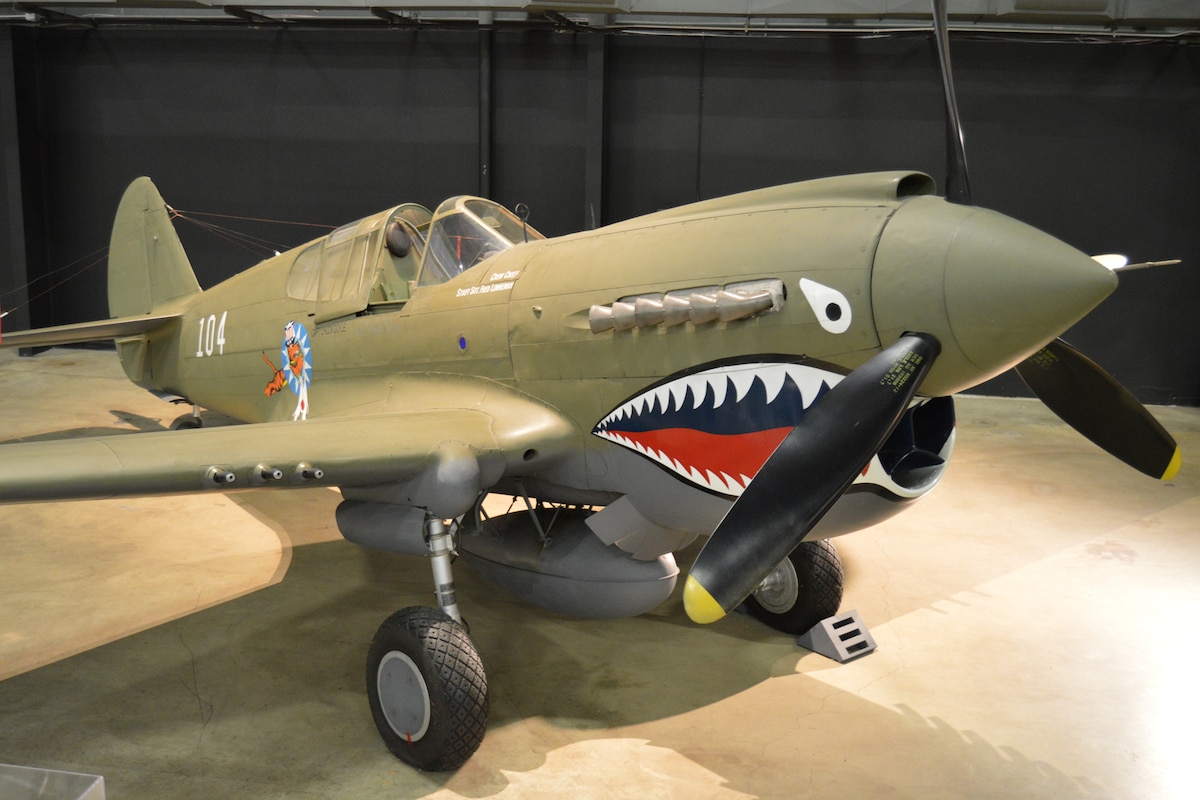
The aviation story begins with Glenn H. Curtiss, who moved the Curtiss Aeroplane and Motor Company to Buffalo during World War I. Curtiss became the world’s largest aircraft manufacturer, producing trainers, engines, and later some of the most important combat aircraft of World War II.
The Curtiss P-40 Warhawk
One of the most significant aircraft built in Buffalo was the Curtiss P-40 Warhawk, manufactured in large numbers at Curtiss’s Buffalo plants. Rugged and heavily armed, the P-40 served with U.S. and Allied forces worldwide and became famous with the Flying Tigers in China.
Who Bought Curtiss?
In 1929, Curtiss merged with Wright Aeronautical to form Curtiss-Wright Corporation, uniting two of aviation’s founding names. Over time:
- Curtiss-Wright exited aircraft manufacturing
- The company shifted toward components, engines, actuators, and defense systems
- Facilities and aircraft lines were sold off or closed
Today, Curtiss-Wright still exists, but as a defense and industrial supplier, not an aircraft manufacturer. Its lineage traces directly back to Buffalo, even though production eventually left the region.
Consolidated Aircraft → Convair → General Dynamics

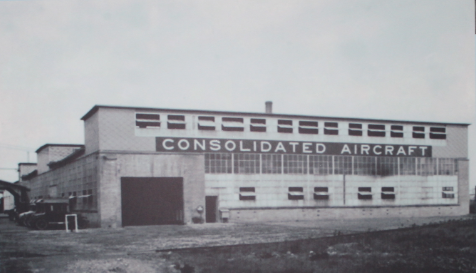
The Consolidated Aircraft Corporation was founded in Buffalo in 1923. Early design and production took place there before the company moved west in the 1930s.
Relocation and Growth
Consolidated relocated to San Diego, California, seeking better year-round flying weather and more space. From there, it produced legendary aircraft including:
- PBY Catalina flying boats
- B-24 Liberator bombers
Who Bought Consolidated?
- In 1943, Consolidated merged with Vultee Aircraft
- The merged company became Consolidated-Vultee Aircraft Corporation, later shortened to Convair
Convair became a major Cold War aerospace firm, producing jet fighters, bombers, and space launch vehicles.
In 1953, General Dynamics acquired Convair, absorbing its aircraft and missile programs. Over time:
- Aircraft production was shut down or sold
- Convair’s divisions were dismantled or merged
- The Convair name eventually disappeared
However, Convair’s technology lived on through General Dynamics and later aerospace programs.
Bell Aircraft → Bell Aerospace → Textron


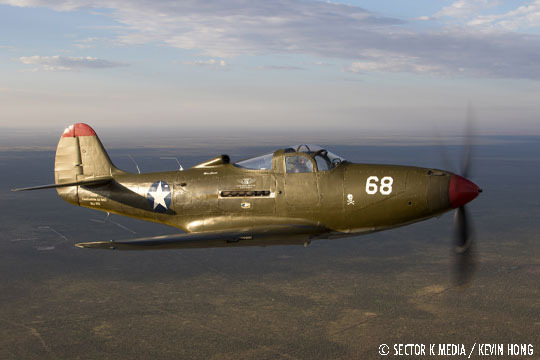
Lawrence “Larry” Bell founded Bell Aircraft Corporation in Buffalo in 1935, taking over factories vacated when Consolidated moved west. Bell became one of the most innovative aerospace firms in the world.
Buffalo-Born Breakthroughs
From Buffalo, Bell produced:
- P-39 Airacobra fighter
- XP-59A Airacomet, America’s first jet aircraft
- Bell X-1, the first aircraft to break the sound barrier
- Bell Model 47, the first civilian-certified helicopter
Who Bought Bell?
Bell remained independent longer than Curtiss or Consolidated, but corporate restructuring eventually followed:
- Bell Aircraft became Bell Aerospace as it expanded into rockets and space systems
- In 1960, Textron Inc. acquired Bell Aerospace
Under Textron:
- Aircraft and helicopter operations became Bell Helicopter
- Space and military divisions were sold or spun off
- The company evolved into Bell Textron, still one of the world’s leading helicopter manufacturers
While major operations moved to Texas and the Southwest, Bell’s most historic achievements trace directly back to Buffalo and Niagara Falls.
From Buffalo to California—and Beyond
The migration of Buffalo’s aviation companies was driven by changing needs:
- Larger aircraft required vast testing ranges
- Jet and missile development demanded year-round flying weather
- Proximity to military bases and defense contracts favored the West and Southwest
Yet Buffalo’s role was indispensable. It was the place where aviation scaled from experimentation to mass production—where companies learned how to build aircraft reliably, quickly, and at industrial scale.
A Legacy Absorbed, Not Erased
Although Curtiss, Consolidated, and Bell no longer build aircraft in Buffalo, their DNA lives on inside Curtiss-Wright, General Dynamics, and Textron. The planes and helicopters that emerged from Buffalo factories helped win wars, break speed barriers, and invent entirely new forms of flight.
Buffalo was not just an early participant in aviation—it was a proving ground for the modern aerospace industry, and the companies that rose there went on to shape the skies.
click here for more salary information
In: Business Stories · Tagged with: Bell Helicopter, Buffalo NY Aviation history, P-40

